
People don’t fit neatly into boxes and data should always reflect that. Different backgrounds, circumstances and experiences shape how people think and why they make certain decisions. That’s why our online survey offering, The Yonder Omnibus, includes such a wide range of demographics at no additional cost, helping research, insight and brand teams build a more inclusive approach into their projects from the outset.
That breadth matters just as much when research needs to be quick and affordable. Our online Omnibus runs three times a week, with data delivered within three working days, which gives teams a timely understanding of how people think and feel, alongside the demographic detail to explore differences behind their responses.
This reflects the thinking behind our Representation in Focus campaign: research should recognise the diversity of people’s lives, rather than rely on broad categories that may obscure meaningful differences.
Looking beyond the headlines
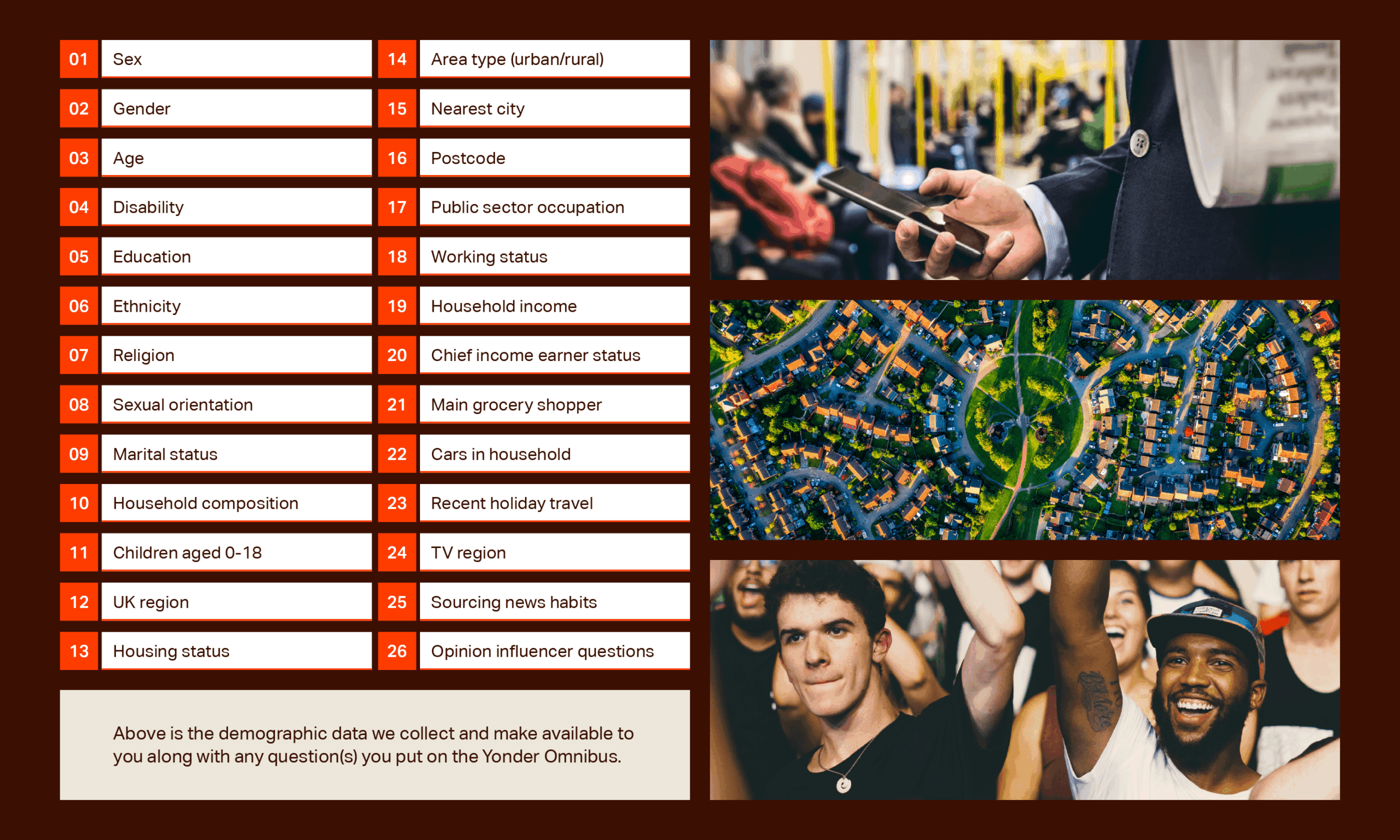
Results can tell an interesting story, but they don’t always give us the whole picture. With 26 demographic categories available, our online Omnibus survey offers more ways to explore the data. Not every category will be relevant to every project, so analysis can focus on those most useful to the research question. The value lies in understanding what a headline finding means for different audiences. Where are needs being met and whose experiences differ? Exploring these distinctions can reveal barriers and unmet needs that headline results alone might miss.
A single ’65+’ category can suggest a shared set of needs, when people within it may have very different circumstances and priorities. Looking separately at those aged 65–74 and 75+ creates more scope to explore those differences, from financial circumstances and wellbeing to digital confidence and support needs. For businesses, the value lies in understanding whether different approaches are needed, rather than assuming one will suit everyone.
The 26 Yonder Omnibus demographics
Make room for differences
Demographics such as education, disability, ethnicity, religion and sexuality provide context for interpreting findings and exploring how responses vary across groups.
This principle extends across demographics: differences within groups can be just as important as differences between them. Recognising this helps organisations challenge assumptions and make better-informed decisions about the products, services and communications they develop.
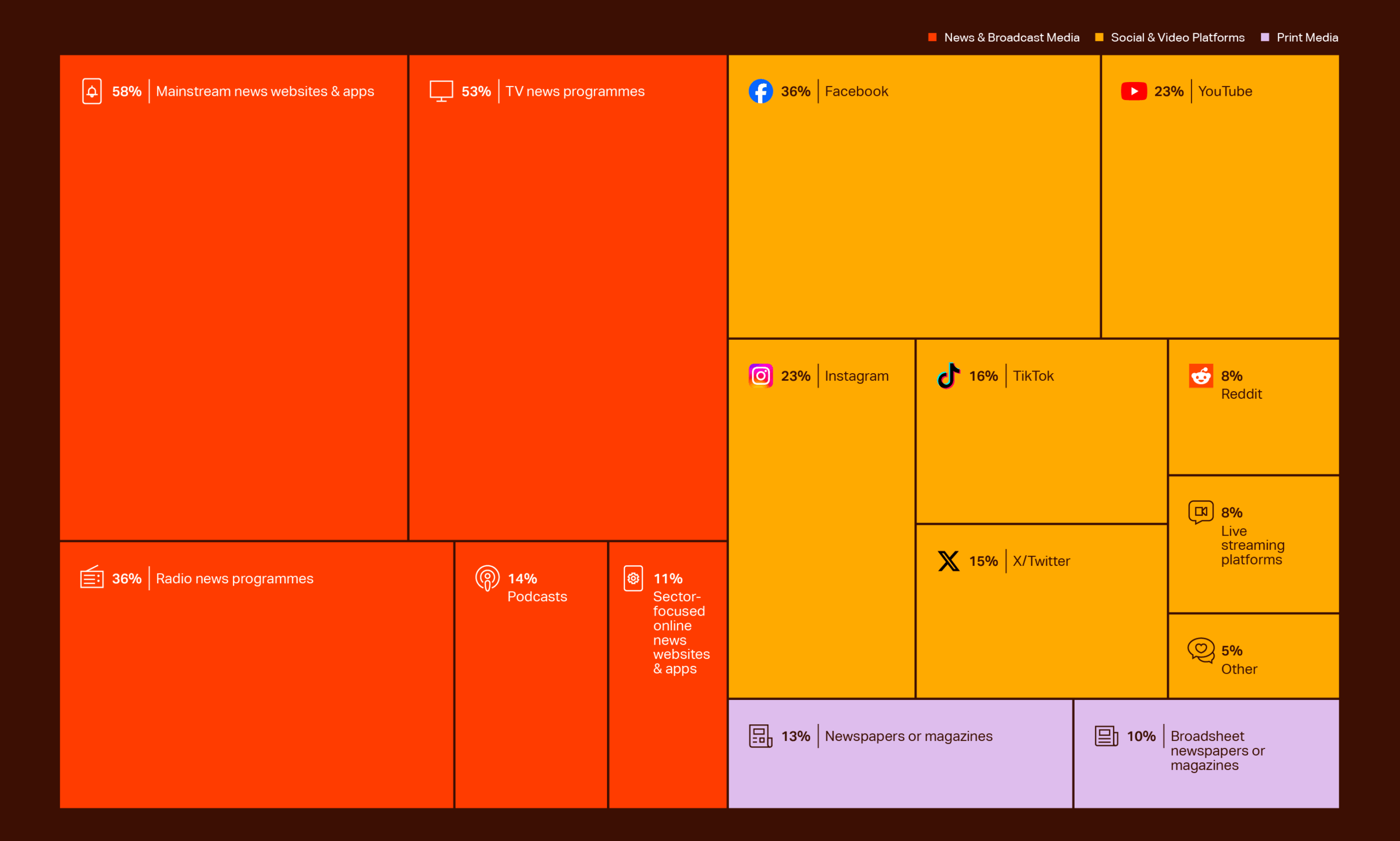
Omnibus demographic: Sourcing news habits
Beyond demographics
Our Omnibus also looks beyond these demographics to explore respondents’ habits and opinions. Questions about news and current affairs consumption, alongside opinion influencer profiling, are included as standard, adding another layer of context to the findings.
Seeing people more clearly starts with asking better questions about who they are and how they experience the world. The purpose is not simply to describe who took part, but to understand where different experiences may call for a different response.
Want to explore the people behind your next research question? Talk to our team about our online Omnibus today.